An Operations & Engineering Blueprint for Simultaneous Multi-Market Webtoon Rollouts
Key Takeaways
- Move Beyond Theory: Managing simultaneous multi-language webtoons requires practical, automated workflows instead of complex database ideas.
- Keep Texts & Visual Assets Organized: Storing translated text separately from your heavy image files keeps your system fast and stops team members from accidentally writing over important files before release.
- Master the Nuances of Lettering: High-volume releases demand precise sound effects (SFX) transcreation, localized bubble placements, and zero-error file naming.
- Partner with an Expert to Scale: Managing multi-language webtoon rollouts across Asian and Western markets requires a dedicated studio system and infrastructure like the services offered by CCC Inc.
Introduction: Why Old Localization Models Break Down

Not too long ago, digital comic publishers followed a relaxed, step-by-step rollout plan. A webtoon would become a massive hit in East Asia, and eventually localization teams would start translating for English readers.
Today, digital comic fans across North America, Europe, Asia Pacific, South America, and the Middle East & Africa expect to read the latest chapter at the same time. A simultaneous and multi-language strategy builds global momentum, maximizes social media hype, and combats unofficial piracy.
However, for Operations Directors, Localization Managers, and Publishing Executives, executing a day-and-date release across five or more languages is an operational marathon, so teams build workflow systems to mitigate risk. A single webtoon chapter is not a plain document; it is a complex bundle of dozens of high-resolution vertical panel slices, multi-layered Photoshop (.PSD) or Clip Studio (.CLIP) files, intricate hand-drawn sound effects (SFX), dynamic speech bubbles, and localized metadata.
When you try to manage simultaneous rollouts across top global comic markets using manual folder handoffs, scattered email threads, or traditional book publishing setups, the pipeline breaks down quickly. You end up with missing dialogue layers, mismatched files, corrupted content delivery network (CDN) assets, and missed deadlines.
To scale smoothly, webtoon publishers must shift from theoretical backend planning to practical, studio-tested workflow execution.
From Database Theory to Practical Workflow Execution

It is common for backend developers to suggest complex normalized database tables to store translated dialogue. While clean data schemas and data (separating master series records from translation tables with ISO language codes like ko, en, id, es, ja) are great suggestions for app architecture, they don’t exactly solve the day-to-day challenges creative teams face.
In reality, the biggest bottlenecks happen during raw asset and translation management, and DTP (Desktop Publishing) handoffs:
- The Raw Asset Heavyweight: Layered working files are huge. Transferring multi-gigabyte artwork back and forth between external and internal translators and freelance letterers causes massive bandwidth slowdowns.
- The Context Gap: Translators who receive raw text files without seeing the actual visual panels often misinterpret dialogue tone, character gender, or visual jokes.
- The Assembly Problem: Once translation strings are finished, getting those text layers back onto the correct vertical panels in five different languages without human error requires strict assembly routines.
Western & European Comic Traditions
Rather than over-engineering database queries, publishers need a practical localization framework that organizes raw layered files, processes clean text strings, and exports validated and market-ready panel assets that plug directly into enterprise publishing backends.
Studios looking to streamline dialogue layer extraction can explore CCC’s Webtoon Translation & Adaptation Services to see how streamlined workflows bridge creative adaptation with tech infrastructure.
Standardizing File Hygiene and Asset Tracking
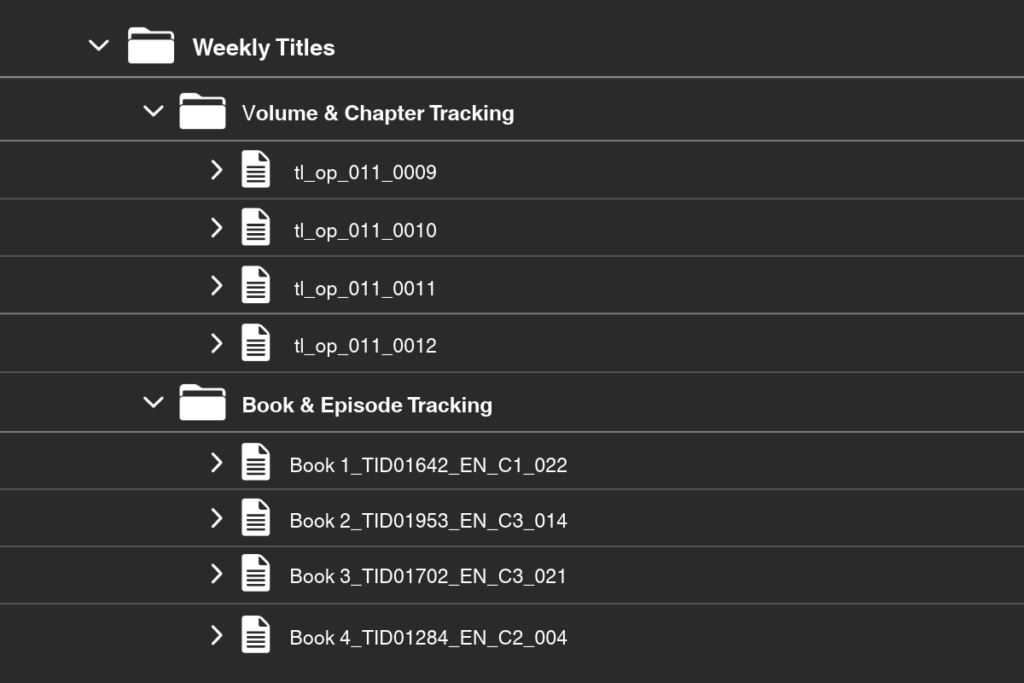
When an operation manages dozens of weekly titles across multiple languages, file organization is your priority. A single misnamed file can easily result in uploading Japanese dialogue to an English reader’s phone screen.
Establishing Machine-Readable Conventions
A recommended practice is to establish a standardized, machine-readable naming schema tailored to your team’s project structure. For instance, depending on your publishing format, your team might adopt structures like:
- Volume & Chapter Tracking: [language]_[title]_[volume]_[chapter]
- Example: tl_op_011_0009 (Tagalog, One Piece, Vol. 11, Ch. 09)
- Book & Episode Tracking: [book]_[title_id]_[language]_[chapter]_[episode]
- Example: Book 1_TID01642_EN_C1_022
Suggested Guidelines for Error-Free Handoffs
- Zero-Padded Identifiers: Add extra zeros to volume, chapter, or panel numbers (e.g., 011 instead of 11, 0009 instead of 9). This helps computers sort assets in exact sequential order without skipping.
- Use Standard Language Tags: Consider using uniform ISO or language codes (such as tl for Tagalog, ko, en, id, es, ja). For artwork without text, use simple labels like raw or base to keep things clear.
- Label File Versions Clearly: Clearly labeling draft iterations (e.g., v01, v02) and marking files as final only after clearing formal Quality Assurance (QA) helps prevent version confusion.
- Don’t Overwrite Published Files: Once an asset version is approved and published, don’t save over it. If a typo fix is needed post-launch, simply increment the version number (e.g., v03) and update your asset routing so readers don’t experience glitches or load outdated pages.
Redrawing Sound Effects and Managing Layered Assets
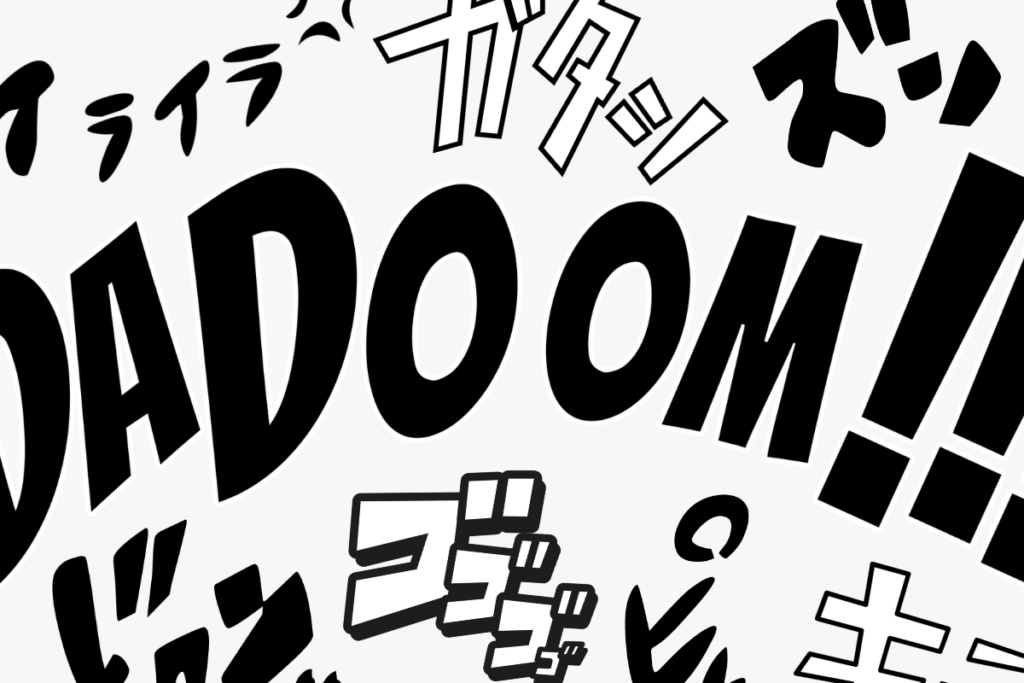
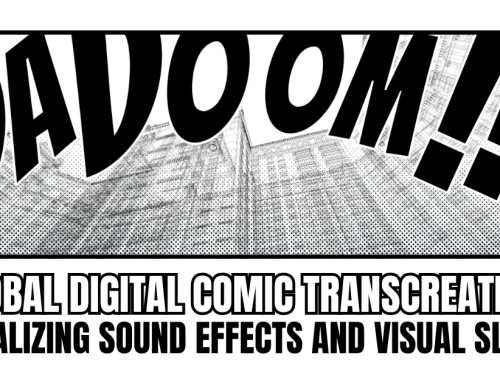
Dialogue translation is only half the battle. In action-heavy webtoons, hand-drawn sound effects (SFX) form the story’s visual heartbeat. A blade slash, an explosion, or even a tense, silent stare is often drawn directly into the background art.
Transcreation Over Literal Translation
Translating visual sound effects is not a simple word-for-word swap:
- Cultural Soundscapes: Asian webtoons frequently feature visual words describing states of mind or silent atmospheres (like heavy pressure or intense glares). Western comic traditions rely heavily on action verbs (like BAM or CRUNCH).
- Art Retouching: Localizing these elements requires non-destructive art retouching. Skilled DTP artists must erase the original sound text, redraw missing background art lines, and letter a localized sound effect that matches the original kinetic energy. Learn more about sound effect localization through CCC’s guide to mastering SFX redrawing and retouching in vertical webtoon layouts.
Managing Heavy Visual Working Files
Because working source files (.PSD, .CLIP) are huge and packed with multiple layers, standard code-tracking tools can’t handle them well. Instead, studios use a two-part system:
- Separate Text from Art:
- Text & Script Data: Lightweight translation dictionaries (JSON/XLIFF) and backend logic are kept in simple, organized software trackers.
- Layered Artwork Assets: The massive, multi-gigabyte design files are stored safely in secure cloud storage so the system doesn’t lag or crash.
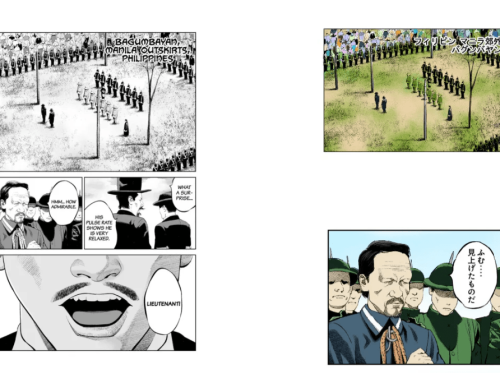
When converting traditional print comic layouts into mobile-first vertical scroll formats, maintaining clean art layer separation is essential. Read more about layout transformations through CCC’s Manga Verticalization and Book Format Conversion Services.
Suggested Workflows: Automated Publishing & Team QA Verification
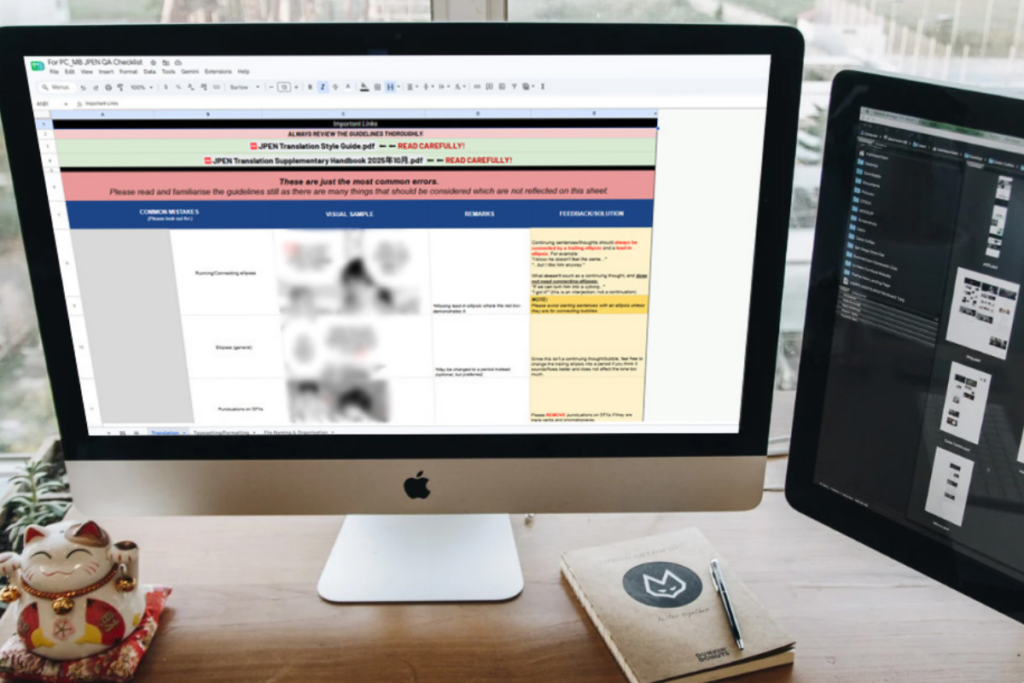
To ensure multi-language releases launch smoothly without unexpected hiccups on release day, studios can benefit from pairing hands-on quality checks with automated tooling recommendations:
- Recommended Automated Image Slicing: To save manual production hours, publishers often utilize automated image processing utilities and batch scripts (such as ImageMagick, WebPconv, or Adobe Photoshop Batch Actions) that slice continuous vertical artwork into mobile-friendly panel sizes (~800 x 1280px) and convert them into compressed, fast-loading WebP/AVIF image formats.
- Suggested Automated Verification Scans: Consider integrating automated validation scripts into the pipeline. These scripts can quickly scan incoming file packages to confirm panel counts, verify zero-padded naming formats, and flag any missing translation layers before final deployment.
- Team QA & Verification Checklist: Automated checks work best when paired with hands-on quality control across every key production stage:
- File Preparation: Confirm schedules, title/synopsis sheets, SRT subtitle files, and revision trackers (managed via project tracking apps like Notion, Jira, or Asana) before submitting proposals to the client.
- QA/Checking: Send media files for final reads, double-check all assets against the QA guide, and forward feedback to subtitle timers.
- 1st Draft Submission: Test raw video/image assets with updated subtitle files in editing software like Adobe Premiere Pro to verify fonts and timing, export according to client specs, ensure all files (MP4, SRT, character name sheets) are in Google Drive, and notify the client on Google Chat.
- Client Revisions (CRev) & Final Delivery: Route client feedback to translators and timers, update QA guides and feedback docs, and organize revised files in structured Client Drive folders (Revised, Revised 2, etc.).
- Scheduled Global Rollout: Once quality checks and validation steps pass, automated scheduling tools can automatically sync finished chapters with regional servers, allowing global readers to gain instant access at the exact release minute.
Scale Your Global Webtoon Pipeline with CCC Inc.
Building an in-house localization and engineering infrastructure that can process high-volume, multi-language global releases requires major investments in technology, talent, and workflows.
At Creative Connections & Commons (CCC Inc.), we serve as an enterprise production engine for leading comic and digital webtoon publishers worldwide. Our end-to-end studio infrastructure handles text extraction, native translation, professional typesetting, SFX redrawing, layout verticalization, and automated asset delivery.
- Learn how CCC’s Japanese Manga & Comic Localization Services help publishers conquer international markets.
- Expanding into Asian publishing ecosystems? Read our specialized regional guide on Korean Webtoon Translation & Typesetting Solutions.
- Looking to elevate static comics into animated experiences? Explore CCC’s Motion Comic Production Services.
Partner with CCC Inc. to eliminate multi-language pipeline bottlenecks and deliver flawless global launches week after week. Contact our team today to discuss custom studio localization solutions.