Southeast Asian countries have a deep love for manga and webtoons, and this passion is a driving force behind the remarkable growth in the manga industry. Among the region’s top markets, such as the Philippines, Indonesia, and Singapore, Thailand stands out as one of the fastest-growing markets for manga and webtoons.
In 2017, Thailand started translating Japanese manga into the Thai language. This turning point opened the doors for local Thai readers to enjoy stories in their own native language, making the experience more relatable and culturally connected. By bridging this gap, Thai readers can better resonate with stories when reading manga; this opportunity also helps widen manga accessibility in Thailand.
In the present day, manga and webtoons in Thailand are thriving more than ever. With the rise of digital platforms, the popularity of manga and webtoons has increased online engagement and sales, making the country a key market in the manga and webtoon industry.
Let’s discover why Thailand is emerging as a significant force in the manga industry, and why publishers and creators should watch out for this exciting market.
Key Takeaways
- Thailand’s manga market is experiencing rapid growth, driven by digital platforms and young readers.
- Japanese manga and Korean webtoons are flourishing, and local creators are adding their own imaginative stories to the mix.
- There are good chances to reach more readers and earn more, but issues like piracy, competition, and the need for careful localization still exist.
- Translation and localization are essential for lasting success. Publishers can get valuable support by working with Creative Connections and Commons Inc.
Table of Contents
- Manga and Webtoons
- Thailand Manga and Webtoon Market: A Growing Platform
- The Opportunities and Challenges of the Manga Market in Thailand
- The Role of Translation and Localization in Manga Market Expansion
- Tips for Publishers
Manga and Webtoons
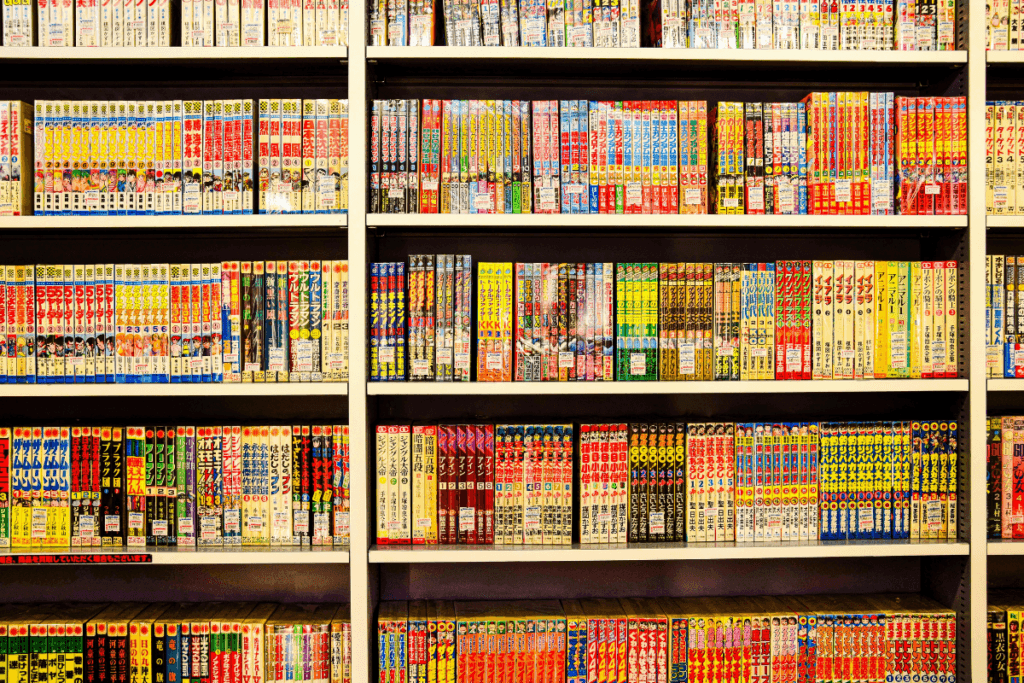
The interest in manga and anime in Southeast Asian countries has been ongoing for decades. It has always been a source of entertainment, and this has expanded globally over the last few years. In 2021, researchers examined manga comics in East Asia, noting that manga has a positive impact on its popularity, as it connects fans worldwide.
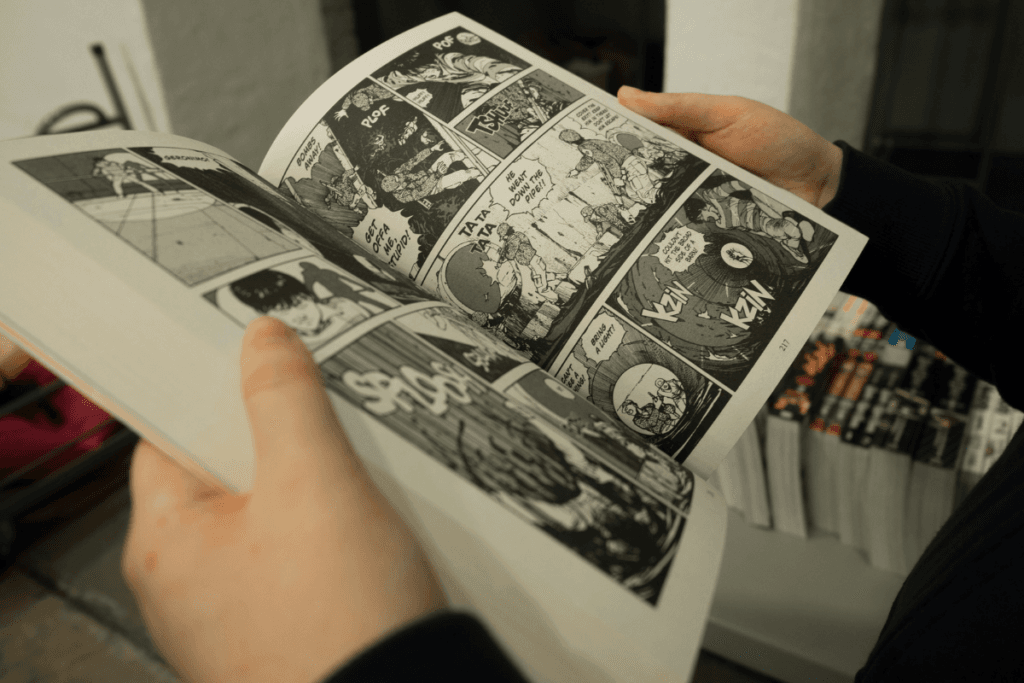
Manga, which originated in Japan, consists of printed and physical manga books that feature artwork of the stories created by skilled Mangakas. Mangakas are artists who write and illustrate stories, combining engaging narratives with artwork. Popular genres include action, romance, fantasy, and slice-of-life stories. Webtoons, on the other hand, are known by readers as mostly stories created by Korean artists and authors. Webtoons are designed for easy access through digital reading on the Webtoon platform, featuring vertical scrolling formats optimized for mobile devices, and are easily shareable online.
With the advent of new technology, mobile-friendly platforms, and a new generation of digital-native readers, the country is emerging as a hub for comic consumption, localization, and publishing opportunities. Digital platforms help audiences discover new manga and webtoons, making it easier for publishers to find new readers. This reach also fosters cultural exchange and connects fans worldwide with their stories. As a result, Thailand’s manga market is experiencing rapid growth and presenting new opportunities for creators and publishers.
Thailand Manga and Webtoon Market: A Growing Platform
The Thailand manga market keeps growing. Although printed manga remains essential for physical book lovers and a tradition in Japan, digital platforms have transformed the way people consume comics. Apps like Webtoon, Tapas, and local Thai platforms bring Japanese manga and Korean webtoons to readers in Southeast Asia. Thai readers, in particular, enjoy shonen or action, adventure, fantasy, and shoujo or slice-of-life comedy.
Thai writers and artists are creating original comics inspired by Japanese and Korean styles. One of those artists is Nattanicha Krachangwong, also known as HIRUNA. She is a Thai manga artist who has worked on published webtoon comics, such as “Love and Shadow”. This blend of cultures brings fresh ideas and helps Thai stories stand out. With millions of Thai readers online, the potential audience is vast.
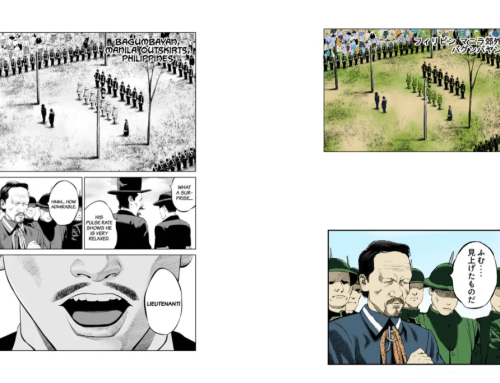
Localization is essential for showing love to readers. Thai readers want manga in their own language because it reminds them of their home and fosters a connection with friends and community; however, they also desire translations that sound natural and accurately reflect their cultural context. This means adapting humor, slang, and artistic references, not just changing the words.
The Opportunities and Challenges of the Manga Market in Thailand
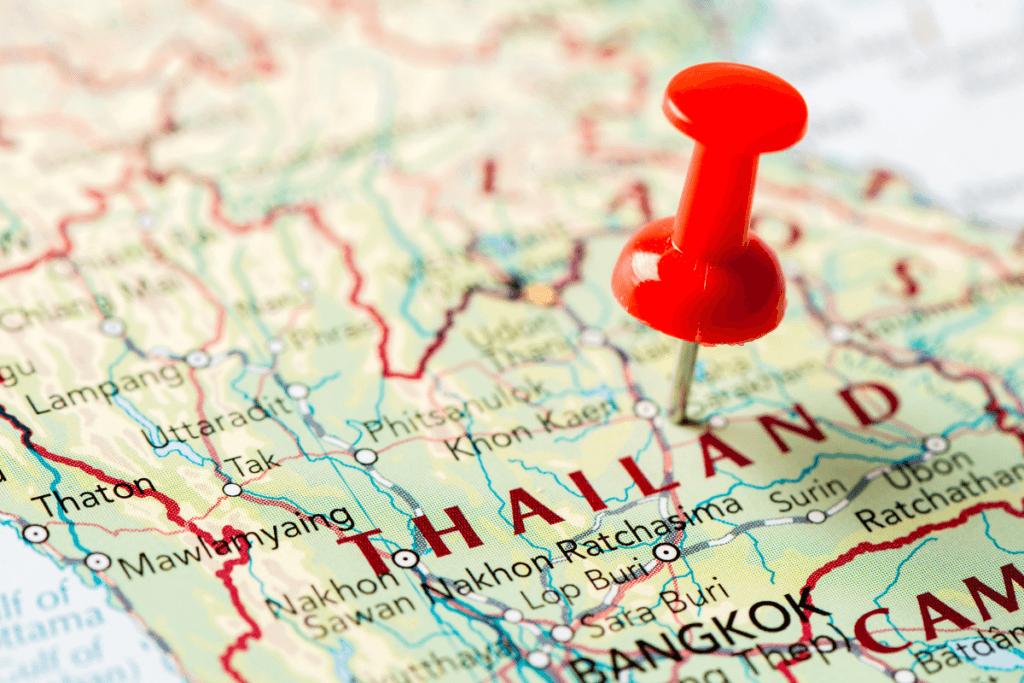
Publishers need to face both the opportunities and challenges. On the one hand, Thailand’s manga market presents numerous growth opportunities with its growing readership. Millions of Thai readers are online, making the audience large and diverse. There is a strong demand for manga in Thailand, and mobile devices make it easy to access and read these books and stories. At the same time, the manga market has obstacles such as issues like piracy, copyright protection, and various competitions.
Opportunities
Localization
A lot of readers have shifted to digital books or e-books, making them more accessible and easier to find. This opportunity helps with localization in Thailand. The high demand for manga translated into Thai means more potential for publishers to translate their work into Thai. The widespread use of mobile devices allows publishers to share content and reach readers worldwide. As a result, this cultural exchange fosters innovation and diversity in Thailand.
Mobile-friendly Platforms
The dominance of mobile platforms provides a powerful channel for distributing content quickly and globally. These opportunities include expanding the readership of Manga. With millions of Thai readers actively engaging online with comics like manga and webtoon, the reach to a broader audience is massive.
Challenges
Competition
As readers enjoy both international favorites and local stories in the Thai language. This mix encourages creativity and diversity. However, with numerous free or affordable options available, it can be challenging for publishers to stand out in Thailand’s manga and webtoon market.
Piracy & Copyright issues
One of the biggest hurdles for publishers and artists is that unofficial scans and fan translations often circulate freely, which can impact publishers’ revenues. Protecting the creative rights of artists and publishers remains a concern as the market continues to expand. This requires stronger legal measures and awareness campaigns to help publishers and artists.
The Role of Translation and Localization in Manga Market Expansion
Translation and localization are crucial for success in Thailand. Translating manga into Thai helps Japanese stories reach local readers. Translating webtoons lets Korean creators connect with more Thai fans. Good localization is more than just changing words. It also captures the right humor, tone, and cultural details so stories feel natural for Thai readers.
Creative Connections and Commons Inc. (CCC) helps publishers bring international stories to Thai readers with expert translation and localization. Their cultural knowledge helps creators connect with local fans. By investing in high-quality localization, publishers can effectively reach readers, foster loyalty, and succeed in Thailand’s competitive market.
For more information on translation, visit Creative Connections and Common’s official website.
Tips for Publishers
- Focus on mobile platforms. Thai readers prefer to read on their phones, so ensure your content is optimized for vertical scrolling and smartphone use.
- Invest in good localization. Avoid using only machine translations. Adapting your content to local culture helps build trust with readers. You can contact Creative Connections and Commons for help with typesetting and translations.
- Work with local artists. Consider co-productions or stories inspired by Thai culture to connect with local trends and audiences.
- Protect your content. Collaborate with local partners to combat piracy and unauthorized sharing.
- Use the expertise of Creative Connections and Commons Inc by partnering with them.
Conclusion
The Thai manga market isn’t just growing; it’s evolving. To succeed in Thailand’s manga and webtoon market, publishers should use digital platforms, connect with readers, and pay close attention to localization. As the market continues to rise, the question leads whether the next breakthrough will come through, but where?
At CCC, we stay up-to-date with new trends and provide services to support you. Contact us to keep you updated!